Do Burr Ridge luxury homes sell fast?”

Two luxury homes in Burr Ridge come on the market. Both offer generous square footage, impressive architecture, and spacious grounds. One attracts serious attention and moves toward a contract. The other remains available for months, collecting views online but few meaningful offers. What makes the difference? It is rarely just the size of the house. In Burr Ridge, buyers may be comparing a recently built home with contemporary finishes against an established estate with mature trees, greater separation from neighboring homes, and distinctive architectural character. Local listings reflect a wide range of homes and land offerings, making a simple bedroom-count or square-footage comparison incomplete. For sellers, the important question is not simply, “What is my home worth?” It is, “How will buyers compare my home with the other properties they can purchase—and does my asking price make that comparison work in my favor?” That is where pricing, preparation, and positioning need to come together.
In Burr Ridge, Luxury Is More Than What Is Inside the House
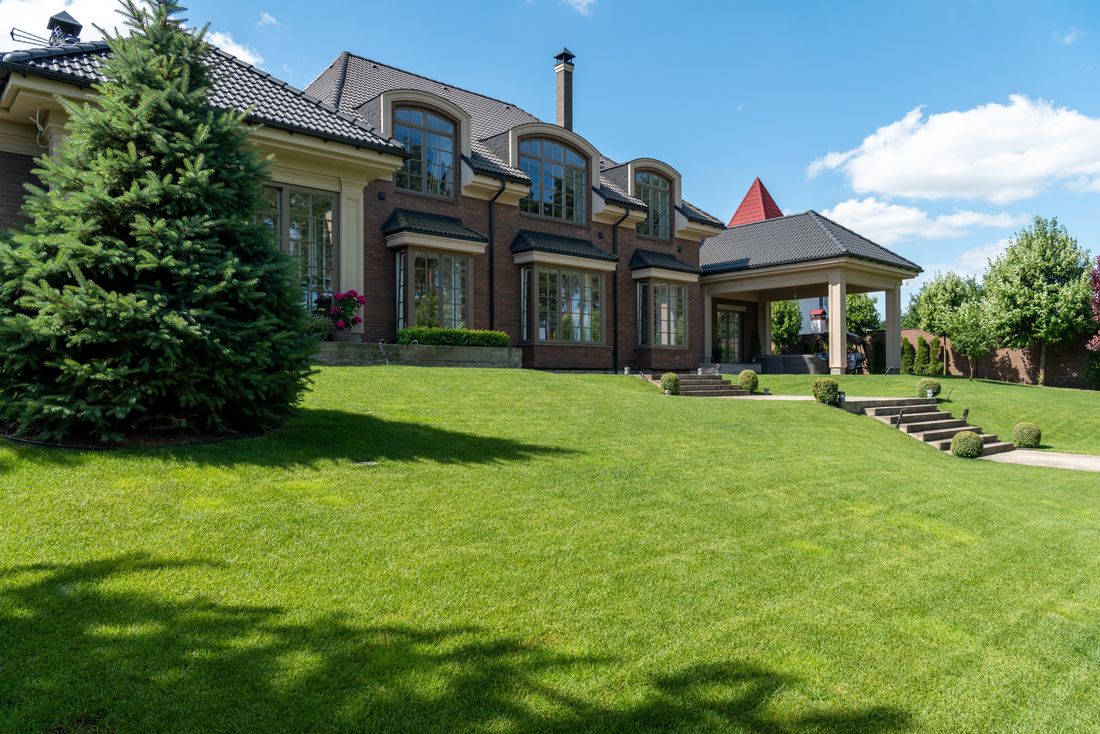
A beautiful kitchen matters. So do ceiling height, room proportions, craftsmanship, and the condition of major systems. But the property surrounding a home can be just as important to its appeal. Burr Ridge’s luxury inventory includes homes on substantially different parcels—from residential lots to multi-acre estate settings. Public listings also emphasize features such as wooded grounds, private ponds, and opportunities for custom estate development. Those differences are a reason to evaluate the land separately rather than treating every luxury home as interchangeable
Lot size and usable land are not the same thing
Lot size and usable land are not the same thing!! When evaluating a property, I would want to look beyond the acreage figure and ask: -How much of the property is usable for everyday outdoor living? -Does the yard connect naturally to the main living areas? -Is there space for entertaining, gardening, recreation, or a future improvement, subject to applicable approvals? -Does the lot shape support the way the property is marketed? Are there slopes, easements, drainage concerns, or other limitations that need to be understood? A listing should explain what the land offers—not leave buyers to interpret a number on a screen.
Privacy needs to be demonstrated
Privacy needs to be demonstrated “Private setting” is more persuasive when the marketing shows what that means. For a particular home, that might include mature landscaping, meaningful distance from neighboring houses, a sheltered terrace, or views that do not face directly into another residence. The right photographs and property description should make those qualities visible. If privacy is a major reason for the asking price, it needs to be part of the listing’s central story. The setting should be evaluated honestly A pricing review should also consider the features a buyer may see as tradeoffs: -Road exposure. -Nearby activity or noise. -Visibility from adjoining properties. -A difficult driveway or limited outdoor usability. -Landscaping that requires substantial upkeep. The goal is not to diminish the property. It is to understand the full comparison before buyers make it for themselves.
Buyers Are Comparing Newness With Setting and Character
One of the most useful comparisons for a Burr Ridge seller is not simply “new versus old.” It is “What does each property offer for the total investment?” The local inventory includes both newer luxury construction and established custom homes, so sellers should consider both when identifying the properties that could compete for their buyer. What a newer home brings to the comparison When evaluating a newer competing property, consider: -The age and apparent condition of its systems. -The layout and relationship between rooms. -The consistency of finishes. -The amount of work a buyer might anticipate after closing. -Any builder warranties or other benefits that are actually documented. Do not assume that every newer home has a better layout or better construction. Compare the specific properties. What an established estate brings to the comparison An established home may offer a different combination of benefits: -Mature landscaping. -A distinctive architectural style. -A lot that would be difficult to replicate. -Generous room proportions. -Outdoor spaces developed over many years. -A setting that feels established rather than newly created. These features deserve thoughtful marketing. They should not be treated as secondary simply because another property has a newer kitchen. Where the asking price must bridge the gap The practical pricing question is: Does the home’s combination of setting, character, condition, and anticipated work justify its price relative to the alternatives? A beautifully maintained established estate does not need to imitate new construction. It does need a price and presentation that make its particular advantages clear. Likewise, a newer home should not be priced as though its construction date makes every other comparison irrelevant.
Why Similar Square Footage Can Lead to Very Different Results
Square footage is useful for narrowing a comparison. It is not a complete pricing strategy. Consider two hypothetical homes of similar size. One has an inviting main-level layout, cohesive updates, and a backyard that feels like an extension of the living space. The other has more fragmented rooms, several unfinished projects, and a setting that offers less privacy. The square footage may be similar. The ownership experience is not. A thorough pricing review should begin by examining the land and setting, including differences in acreage, usability of the lot, views, and the level of privacy each property offers. These factors can significantly influence a home's value, particularly in the luxury market. The condition of the home is another important consideration. It is essential to identify which updates and renovations have been completed, the quality of those improvements, and what work may still be required. A home that is move-in ready may command a different price than one requiring significant investment. The layout and functionality of the property should also be evaluated. Beyond the total square footage, we need to consider how the space flows, the room sizes, ceiling heights, natural light, and how comfortably the home accommodates everyday living and entertaining. Construction quality and finishes deserve particular attention. Not all homes with similar square footage and architectural styles are truly comparable. The quality of materials, craftsmanship, architectural details, and overall execution can make a meaningful difference in market value. Outdoor living spaces are increasingly important, especially in the luxury market. Terraces, professionally designed landscaping, swimming pools, outdoor kitchens, patios, and other amenities can add to a property's appeal and influence what buyers are willing to pay. We must also consider location and surroundings. Even within the same neighborhood, differences in street appeal, proximity to amenities, surrounding homes, accessibility, views, and overall setting can affect value. Finally, the review must be grounded in actual sale history. We need to look beyond asking prices and examine what comparable properties actually sold for, when they closed, how long they were on the market, and under what terms. This helps establish a realistic picture of current market conditions and buyer behavior. This is why a broad price-per-square-foot calculation should be a reference point—not the entire argument for an asking price.
Pricing on Hope and Pricing on Closed Comps Are Different Strategies
An asking price can begin with several understandable seller concerns: “We invested heavily in this house.” “We need a certain amount for our next move.” “A nearby home is listed for more.” “Our property is special.” Those statements may matter to the seller. A pricing consultation still needs to test them against evidence. Active listings show the competition An active listing tells you what another seller is asking. It does not establish that a buyer will pay that amount. When reviewing active competitors, the useful questions are: -How does that property compare with yours? -How long has it been available? -Has the asking price changed? -What might explain its continued availability? -Would a buyer see it as a stronger or weaker option? A high-priced listing that remains unsold is not, by itself, a reason to price your home higher. Closed sales show completed transactions Closed comparables provide a different kind of evidence: a buyer and seller reached an agreement and completed the sale. For a luxury home, I would want the analysis to account for more than the final sale price. Relevant details may include condition, land, timing, financing terms, concessions when available, and the property’s listing history. A smaller set of genuinely comparable sales can be more useful than a long list of loosely related properties. A distinctive home needs a stronger explanation—not an unsupported premium Some properties do not have an obvious twin. That does not make pricing impossible. It means the analysis must explain which sales provide useful reference points, where they differ, and how the proposed price accounts for those differences. The objective is a price that can be defended—not simply a price that can be announced.
Two Pricing Approaches: An Illustrative Comparison
The following scenarios are hypothetical teaching examples. They are not actual Burr Ridge MLS transactions and should not be published as personal case studies. Example A: The home priced on hope Imagine an established luxury home with substantial square footage, attractive grounds, and several original interior finishes. The seller selects an ambitious asking price based primarily on past renovation spending and a nearby active listing. The marketing emphasizes size and the word “luxury,” but does little to explain the setting or acknowledge the interior’s condition. The problem is the starting logic: the asking price has not been established through a careful comparison with completed sales. If the home then receives limited interest, the next step should be an evidence review: -Was the original comparison appropriate? -Did the presentation show the property’s strongest qualities? -Did buyers have enough information about condition? -What did competing homes offer at a similar price? -What do actual showing feedback and subsequent sales indicate? The lesson is not that every ambitious price fails. It is that the seller needs a defensible basis for the price and a plan for evaluating the response. Example B: The home priced on closed comparables Now imagine a similarly sized home whose seller begins with a detailed review of relevant closed sales. The analysis considers the home’s lot, privacy, layout, updates, and current competition. Preparation focuses on visible maintenance, cohesive presentation, and clear documentation of completed improvements. The asking price is selected to reflect that evidence—not simply to sit below or above a neighboring listing. This approach does not guarantee a fast sale. It does give the seller a clearer explanation of the price and a more useful framework for responding to the market. What to include when replacing these illustrations with MLS examples For each real, anonymized example, verify: -Original list price. -Final list price before contract. -Closed sale price. -Listing and contract dates. -Cumulative market time, including relevant prior listings. -Material differences in condition and setting. -Known concessions or transaction circumstances. -Whether the home was your listing or a market comparison. A strong case study should show the evidence without implying that pricing alone caused the outcome.
Presentation Should Help Buyers Understand the Price
A luxury listing needs more than attractive photographs. It needs a coherent explanation of what makes the property worth considering. National research supports the role of presentation, while stopping short of guaranteeing a particular result. In the National Association of REALTORS®’ 2025 staging report, 29% of agents reported that staging led to a 1% to 10% increase in the dollar value offered. Those are survey responses, not a promise of the same outcome for a particular Burr Ridge property. Show the property’s strongest differentiator If the setting is exceptional, the marketing should demonstrate it. If the home has outstanding architectural details, the photographs should capture them. If the layout is a strength, a floor plan should help explain it. A useful listing package may include: -Professional interior and exterior photography. -Seasonal images that accurately represent the grounds. -A floor plan. -A concise improvement history. -Clear descriptions of significant outdoor features. -Accurate information about the home’s condition and included amenities. The objective is not to overwhelm buyers with adjectives. It is to answer the questions that matter. Separate maintenance from decorative updates Before choosing improvements, distinguish between: -Maintenance or repair issues. -Cosmetic presentation. -Major renovation opportunities. Those categories require different decisions. A home does not automatically need a full kitchen renovation before sale. A pricing and preparation review should determine whether targeted work, a larger project, or selling in the current condition makes the most sense for the property and the seller’s timeline.
If Your Home Is Already Sitting, Diagnose Before Reacting
A long market time is a reason to investigate—not an explanation by itself. Before concluding that the price is wrong, review the listing as a complete package. Is the home reaching the right audience? Check whether the listing information is accurate, the photographs are strong, and the property’s distinctive features are easy to understand. Also review whether showing restrictions or limited availability are making the home difficult to experience. Is interest turning into showings? Online attention without showings calls for a closer look at the relationship among price, presentation, and competing inventory. Do not assume that a large view count means the price is working. Views are one piece of information, not a substitute for buyer engagement. What happens after buyers visit? Showing feedback should be evaluated for patterns rather than treated as a series of isolated opinions. Repeated concerns about condition, layout, or price deserve attention. So do differences between what buyers expected from the listing and what they experienced in person. What changed while the home was listed? A review should include new competitors, price changes, newly pending properties, and recently closed sales. The appropriate response might involve pricing, preparation, photography, access, or several changes together. The diagnosis should determine the action.
Why a January Relist Needs More Than a New Launch Date
For a seller considering a January return to the market, year-end planning creates time to review what should change before the property becomes available again. A relaunch should answer a practical question: What will make the next buyer’s evaluation different? Review the full history Start with the prior asking prices, market exposure, showing activity, feedback, and any offers. Then compare that history with the sales that have closed since the original launch. Decide what to improve—and what not to change Use the review to prioritize work. Some properties may benefit from selective repairs, editing furnishings, or a more effective photography plan. Others may need a clearer price adjustment rather than additional spending. Build the pricing decision before the relaunch The objective is not simply to reappear. It is to return with an asking price, presentation, and explanation of value that work together. Do not assume that taking a property off the market and relisting will erase its history or resolve the reasons it did not sell. Verify applicable MLS rules and review the complete listing history as part of the plan.
What a Private Burr Ridge Pricing Consultation Should Cover
A useful consultation should leave you with more than an estimated number. It should help you understand how the home will compete. For a Burr Ridge luxury property, the review should cover: -Relevant closed sales and why they were selected. -Current competing listings. -Prior expired, withdrawn, or relisted properties where relevant. -Land, privacy, and setting. -Condition, layout, and significant improvements. -Preparation priorities. -A proposed pricing range and its supporting evidence. -A plan for reviewing buyer response after launch. It should also distinguish between what the data shows and what remains uncertain. That clarity is especially important for a distinctive home, where no single comparable sale tells the whole story.
Planning to Sell Your Burr Ridge Luxury Home?
Your home deserves a pricing strategy that accounts for more than its square footage. The right review considers the land, the setting, the condition, the presentation, and the alternatives buyers will compare with it. Before you choose an asking price—or put an unsold home back on the market—understand what the relevant closed sales actually support. Book a private pricing consultation with Dimpi Mittal of Coldwell Banker Realty before the January relist season. We’ll review your home’s competitive position, preparation priorities, and pricing options so you can move forward with a clear plan.
Common questions
Does a longer time on market always mean a luxury home is overpriced?
Should I renovate before listing?
Can an older home compete with new construction?
Should I use the highest nearby asking price as my benchmark?
When should I start preparing for a January listing?
I match Burr Ridge homes with the buyers most likely to pay for them, and buyers with homes that genuinely fit how they live. It is the approach I have refined over twenty years as a licensed Illinois broker.
Keep reading

Why Move to Burr Ridge, IL? 10 Good Reasons to Live in Burr Ridge (2026)
Burr ridge has so much to offer-multiple school districts, proximity to highways, vibrant social scene at the village center, luxury homes, large lots, homes with water views.

Is Burr Ridge in Cook or DuPage County — And Why It Matters for Your Property Taxes?
Burr Ridge straddles Cook and DuPage counties — and the county line can meaningfully change your property tax bill. What buyers need to know.